
Mini excavators are among the most widely used machines in construction, landscaping, and property development.
Their compact size, strong digging capability, and versatility make them ideal for precision work in smaller spaces. Whether a contractor is trenching for utilities, preparing a site for landscaping, or working in tight residential areas, mini excavators provide a practical solution without the size and transport requirements of larger equipment.
One of the most common questions contractors ask when researching equipment is simple: How much does a mini excavator cost? The answer depends on several factors, including machine size, features, attachments, and overall capabilities. Understanding how these factors affect pricing can help buyers choose the right machine for their projects and budget.
What Factors Affect Mini Excavator Cost?
Mini excavator pricing varies depending on a combination of specifications and features. While base machine size is the biggest factor, several other elements can influence the final price.
Machine Size and Weight
Mini excavators are typically categorized by operating weight, which ranges from about 1 to 6 tons. Smaller machines cost less and are easier to transport, while larger compact excavators offer greater power, deeper digging, and higher productivity. As machine size increases, so does the cost.
Hydraulic Power and Performance
Hydraulic systems determine how efficiently a mini excavator can operate attachments, lift materials, and dig through different soil conditions. Machines with stronger hydraulic systems often command higher prices because they improve performance and jobsite efficiency.
Technology and Operator Comfort
Modern compact excavators include features designed to improve usability and productivity. These may include advanced hydraulic controls, ergonomic operator stations, improved visibility, and fuel-efficient engines. While these upgrades add value, they can also increase the initial purchase price.
Attachments and Accessories
Many mini excavators are used with attachments such as augers, breakers, grading buckets, and hydraulic thumbs. These tools significantly expand what the machine can accomplish, but they also increase the total cost of ownership.
Mini Excavator Price Ranges by Size
While exact prices vary by brand and configuration, mini excavators generally fall into several size categories. Each category offers different capabilities and price ranges.
1–2 Ton Mini Excavators
The smallest compact excavators are designed for tight spaces and lighter work. These machines are commonly used for landscaping, small trenching jobs, and residential construction projects.
Typical uses include:
- digging small utility trenches
- fence post installation
- backyard landscaping projects
- working inside confined spaces
Machines in this class are compact, easy to transport, and often light enough to tow with a pickup truck and trailer.
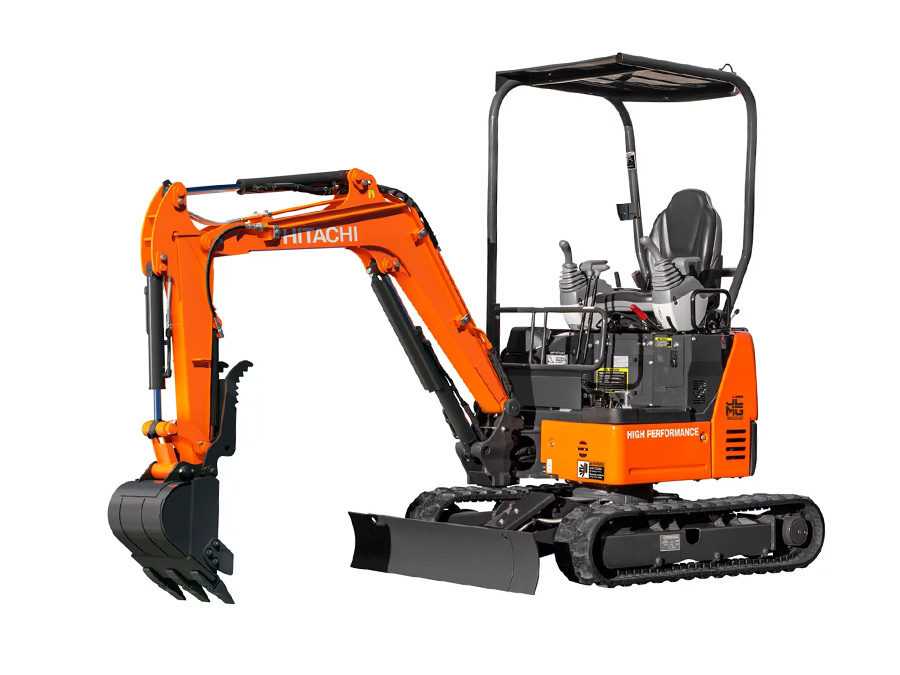
An example in this category is the Hitachi ZX17U-5N, a small mini excavator designed for maneuverability in tight jobsite environments. Machines of this size generally cost between $25,000 and $40,000, making them the most affordable mini excavators when compared to larger models.
2–3 Ton Mini Excavators
Stepping up slightly in size, the 2–3 ton class offers deeper digging, stronger hydraulic performance, and greater stability. These machines are popular with contractors who regularly perform utility work, landscaping projects, or light construction tasks.
Common applications include:
- trenching for water and electrical lines
- grading and site preparation
- residential foundation work
- small demolition projects

Examples in this class include machines like the Hitachi ZX26U-5N and ZX30U-5N, which offer a balance between compact size and increased capability. Mini excavators in this range often cost between $35,000 and $60,000, placing them between the smaller 1–2-ton class and the larger 3–4-ton class in price.
3–4 Ton Compact Excavators
Larger mini excavators provide significantly more power and digging capability while still maintaining the maneuverability contractors appreciate from compact machines. These models are often used on commercial construction projects or more demanding excavation work.
Typical uses include:
- trenching for larger utility installations
- site preparation and grading
- material handling
- light demolition work
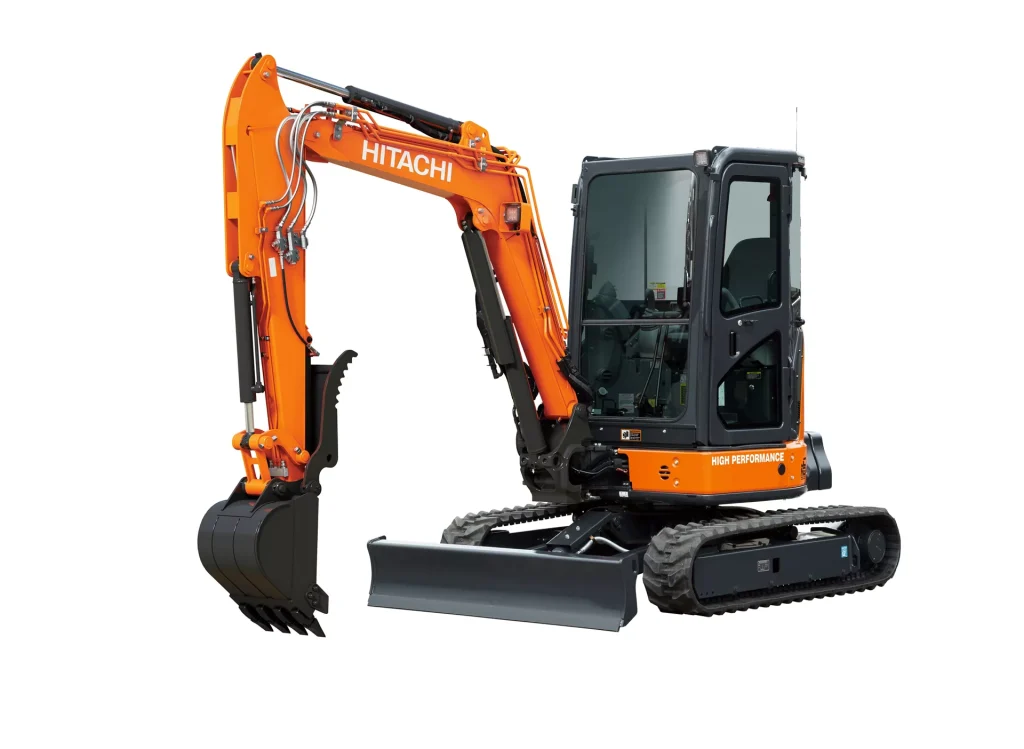
Machines like the Hitachi ZX35U-5N fall into this category. With greater digging depth, lifting capacity, and hydraulic performance, compact excavators in this class typically range from $50,000 to $80,000 or more. This makes them the highest-priced models discussed here, reflecting their superior performance compared to smaller classes.
New vs. Used Mini Excavator Pricing
Another important factor to consider is whether the machine is new or used. Both options have advantages depending on the buyer’s needs and budget.
New Mini Excavators
Purchasing new equipment provides access to the latest technology, improved fuel efficiency, and manufacturer support. New machines also typically come with warranties and dealer service support, which can help reduce maintenance concerns during the first years of operation.
Used Mini Excavators
Used machines can provide a lower initial purchase cost. However, buyers should carefully evaluate machine condition, service history, and total operating hours before making a decision. While used equipment can offer value, maintenance needs may increase with the machine’s age and prior use.
Choosing the Right Mini Excavator for Your Work
Selecting the right mini excavator depends on the type of work most often performed. Contractors who primarily work in tight residential environments may prioritize smaller machines for maneuverability. Those working on larger construction projects may benefit from the added power and digging capability of larger compact excavators.
Some questions to consider when choosing a machine include:
- How deep will the machine need to dig?
- What types of materials will it be working with?
- Will the excavator need to operate in confined spaces?
- What attachments will be used regularly?
Answering these questions can help narrow down which size class offers the best balance of performance and efficiency.
Understanding Mini Excavator Investment
Mini excavators represent a significant investment, but they also offer long-term value through versatility and productivity. Because these machines can perform a wide variety of tasks—from trenching and grading to demolition and material handling—they are often one of the most useful pieces of equipment on a jobsite.
Contact Us Today
By understanding the factors that influence pricing and the capabilities of different machine sizes, contractors can make a more informed decision when selecting the right compact excavator for their needs. Whether working on residential projects, utility installations, or commercial construction, choosing the appropriate mini excavator size can make a noticeable difference in both productivity and jobsite efficiency.