
Mini excavators have become one of the most widely used pieces of equipment in construction, landscaping, and utility work.
Their compact size, versatility, and strong digging capabilities allow contractors to complete jobs efficiently in areas where larger machines would be impractical.
However, choosing the right machine size can make a major difference in productivity. A mini excavator that is too small may struggle with heavier tasks, while one that is too large could be difficult to maneuver in tight spaces.
One of the most common questions contractors ask when researching equipment is simple: What size mini excavator do I need? Understanding how different size classes work can help determine which machine will be the most effective for your projects.
Mini excavators are generally categorized by operating weight, which typically ranges from about 1 to 5 tons. Each size class is designed for different types of jobs and working environments.
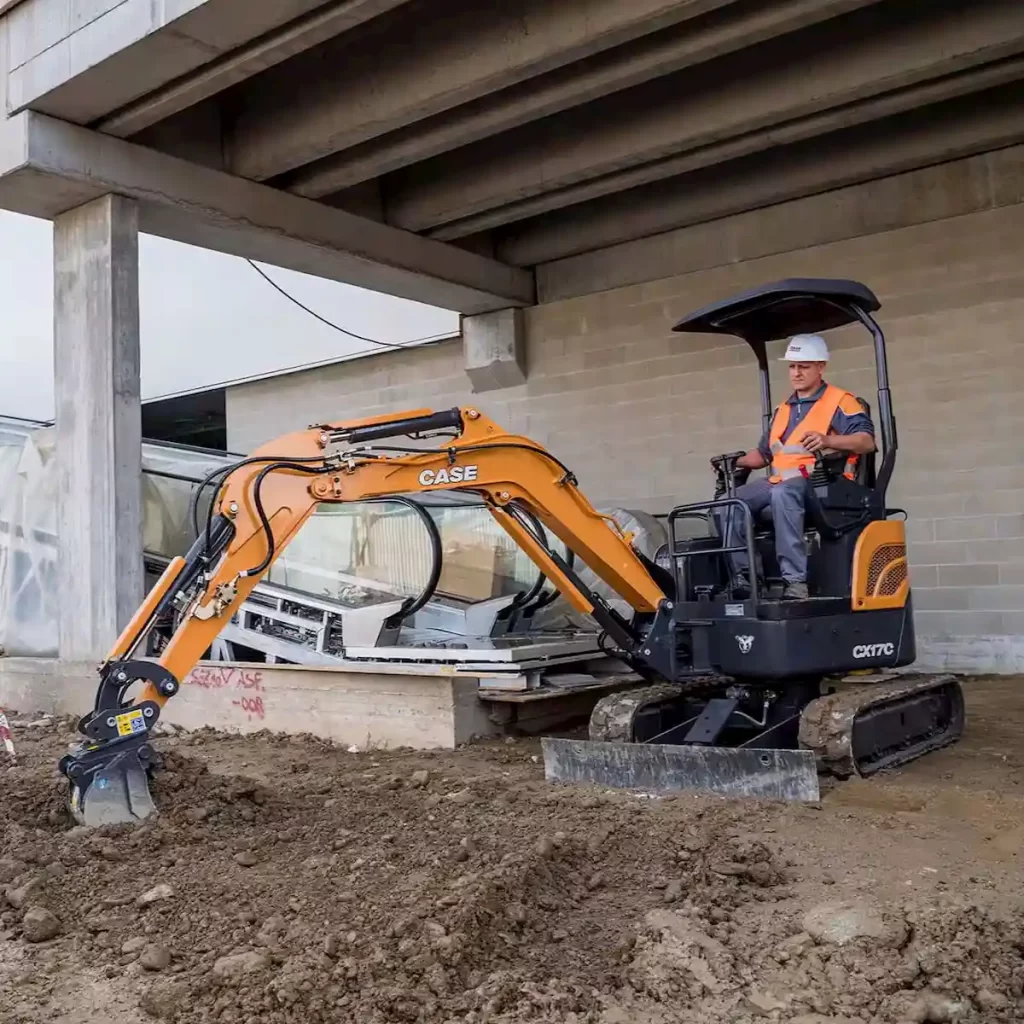
Quick Mini Excavator Size Guide
Mini excavators are typically divided into three main size classes. Each class is suited for different types of projects and jobsite conditions.
1–2 Ton Mini Excavators
Best for tight spaces, landscaping work, and light residential projects. Examples include the Hitachi ZX17U-5N, Takeuchi TB216, and CASE CX17C.
2–3 Ton Mini Excavators
A versatile size often used for trenching, utility installation, and residential construction. Machines in this class include the Hitachi ZX26U-5N, Hitachi ZX30U-5N, Takeuchi TB225, and CASE CX26C.
3–4 Ton Mini Excavators
Designed for heavier excavation work such as site preparation, foundation digging, and commercial construction. Examples include the Hitachi ZX35U-5N, Takeuchi TB235, and CASE CX37C.
While this quick overview can help narrow down options, understanding how each size performs in real jobsite conditions can make it easier to choose the right machine.
Small Mini Excavators (1–2 Ton Class)
The smallest mini excavators are designed for jobs where space is limited and maneuverability is critical. These machines are commonly used on residential properties or job sites where access points are narrow and larger equipment cannot easily reach the work area.
Because of their lighter weight, machines in this category are often easier to transport and may be towed behind a pickup truck with the appropriate trailer.
Common uses include:
- digging trenches for irrigation systems
- installing fence posts
- light landscaping projects
- small residential excavation tasks
- utility work in tight areas
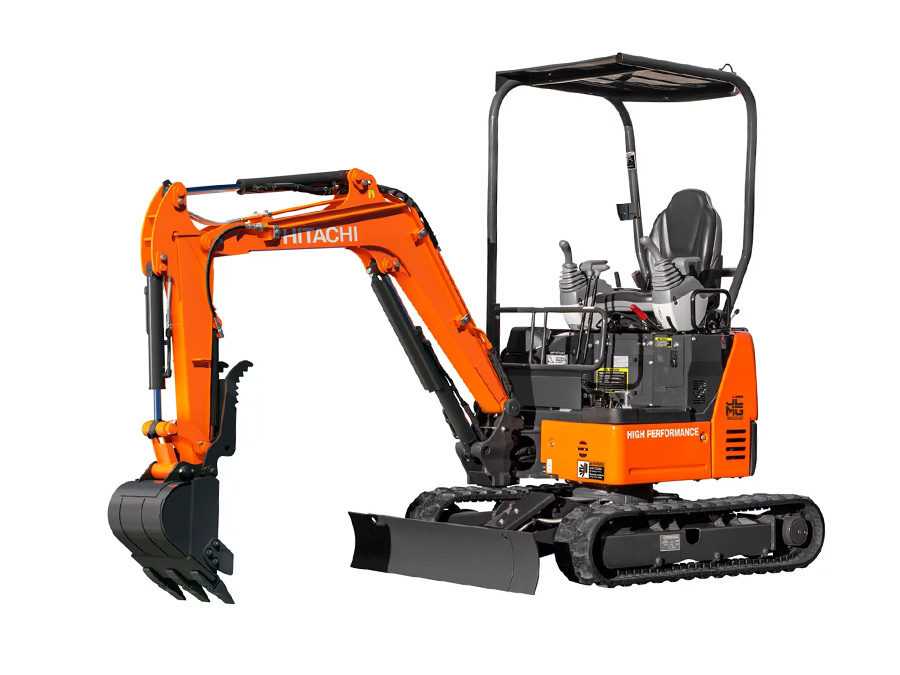
An example of a machine in this class is the Hitachi ZX17U-5N, designed to operate efficiently in confined spaces. Other compact machines in this category include the Takeuchi TB216 and the CASE CX17C, both commonly used for residential projects and landscaping work.
While smaller excavators may not have the same digging depth or lifting capacity as larger machines, they are extremely useful for contractors who regularly work in backyards, urban environments, or areas with limited access.
Mid-Size Mini Excavators (2–3 Ton Class)
Mid-range mini excavators offer a balance between compact size and increased performance. These machines offer greater digging depth, stronger hydraulics, and improved lifting capacity than smaller models, while remaining maneuverable enough for many residential and commercial jobs.
This size category is often considered one of the most versatile options for contractors because it can handle a wide variety of tasks without requiring the space of a larger excavator.
Common applications include:
- trenching for electrical or water lines
- foundation preparation
- landscaping and grading projects
- residential construction work
- small demolition tasks

Machines like the Hitachi ZX26U-5N and ZX30U-5N fall within this range and are designed to deliver strong performance while maintaining a compact footprint.
Comparable models in this size class include the Takeuchi TB225 and the CASE CX26C, both of which are frequently used for utility work and general excavation projects.
For many contractors, this class provides an ideal combination of mobility, power, and versatility.
3–4 Ton Mini Excavators: When You Need More Power
As mini excavators increase in size, they offer greater stability, stronger hydraulics, and deeper digging capabilities. Larger compact excavators are commonly used on commercial construction sites and more demanding excavation projects where increased power is required.
These machines still maintain a relatively small footprint compared to full-size excavators, but they deliver noticeably higher productivity on heavier tasks.
Typical jobs include:
- trenching for larger utility systems
- excavation for building foundations
- site preparation and grading
- material handling and lifting
- light demolition work

An example of a machine in this category is the Hitachi ZX35U-5N, which provides increased digging depth and lifting capability while remaining compact enough for many construction environments.
Similar machines from other manufacturers include the Takeuchi TB235-2 and the CASE CX37C, both widely used on construction sites that require compact equipment with greater performance.
For contractors who frequently perform excavation work on larger projects, stepping up to a machine in this class can significantly improve efficiency.
Factors That Help Determine the Right Machine Size
While machine weight is a helpful starting point, several additional factors can influence which mini excavator is best suited for a particular job.
Projects such as utility installation or foundation work may require deeper digging capabilities than landscaping or small trenching jobs.
Urban construction sites or residential properties often require smaller machines that can navigate tight areas without damaging surrounding structures.
Soil conditions can impact machine performance. Hard or rocky ground may require more hydraulic power and a heavier machine to maintain productivity.
Contractors who frequently move equipment between locations may prefer machines that are easier to transport with smaller trailers.
Many mini excavators operate with attachments such as augers, hydraulic breakers, or grading buckets. Machines with stronger hydraulic systems may perform better when running these tools.
Matching the Machine to the Job
Selecting the right mini excavator size ultimately depends on the type of work most often performed.
Smaller machines are ideal for contractors working in residential areas or landscaping projects where maneuverability is essential. Mid-size compact excavators provide greater versatility and are often used for utility installations and general construction work. Larger compact excavators offer increased power and digging capability for contractors handling more demanding excavation projects.
Understanding the strengths of each size class can help ensure the machine selected is well-suited for the job at hand.
The Value of Mini Excavators on Modern Jobsites
Mini excavators continue to grow in popularity because they provide a combination of versatility, efficiency, and accessibility that many other machines cannot match. With the right attachments and setup, these machines can perform trenching, grading, demolition, and material handling tasks across a wide range of projects.
Contact Us Today
By choosing the appropriate excavator size, contractors can improve productivity, reduce downtime, and ensure equipment performs effectively across different work environments.