
Excavators are among the biggest investments many contractors make, so choosing the wrong machine—or using the right one the wrong way—can be expensive quickly.
From transportation problems and fuel costs to productivity slowdowns and attachment limitations, small equipment decisions can have a major impact on profitability over time.
Many contractors focus heavily on purchase price when shopping for an excavator, but long-term efficiency often matters far more. The right machine should match your workload, jobsite conditions, and future growth plans—not just your budget on day one.
Whether you’re looking for a compact excavator for landscaping and utility work or a larger machine for commercial excavation, avoiding a few common mistakes can save significant time and money.
Mistake #1: Choosing a Machine That’s Too Large
Bigger isn’t always better.
Many contractors assume a larger excavator automatically improves productivity, but oversized machines can create serious challenges depending on the type of work being performed.
Larger excavators may:
- increase transportation costs
- require heavier trailers and trucks
- limit access on tighter jobsites
- consume more fuel during lighter-duty work
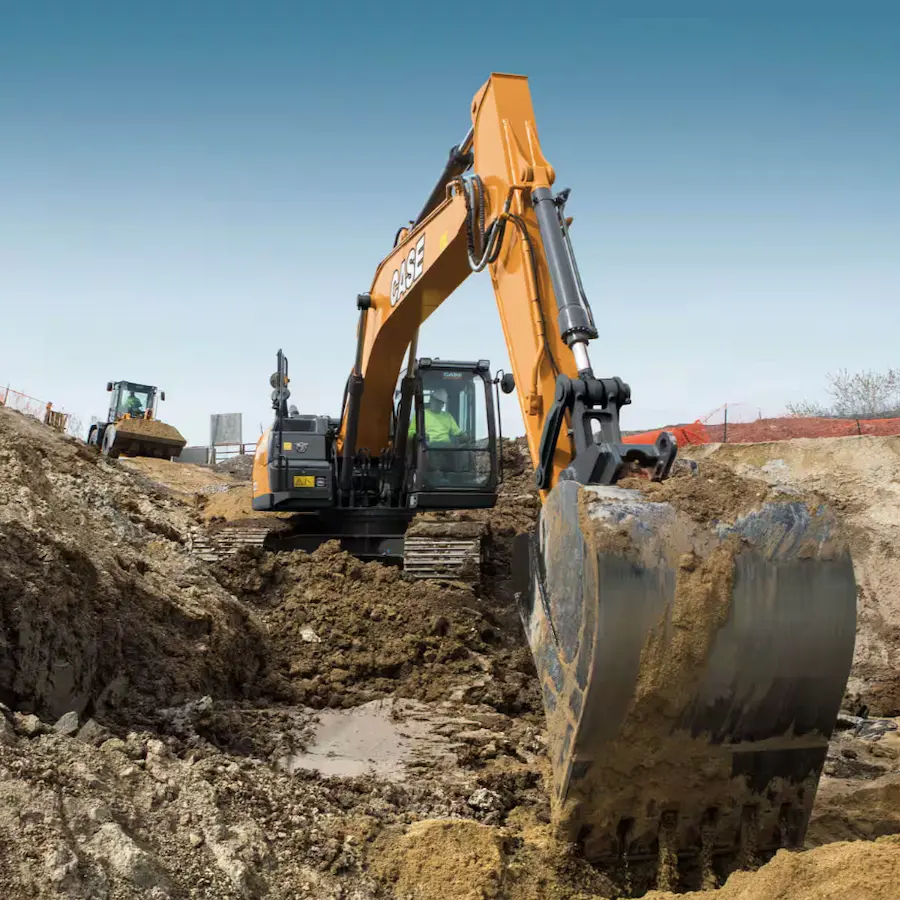
For example, a full-size excavator like the CASE CX210D is an excellent machine for mass excavation and heavy commercial projects, but it may be excessive for residential utility work, landscaping, or confined jobsite applications.
Contractors working in neighborhoods, urban areas, or smaller commercial spaces often benefit more from compact or mid-size excavators, which offer better maneuverability and lower operating costs.
The key is matching the machine to the majority of your workload—not just the biggest project you occasionally handle.
Mistake #2: Choosing a Machine That’s Too Small
On the other side of the equation, undersized equipment can hurt productivity just as much.
Compact machines are easier to transport and operate in tight areas, but choosing one with insufficient digging depth, lifting capacity, or hydraulic power can significantly slow projects.
Machines like the Takeuchi TB260 are extremely versatile for:
…but contractors handling larger commercial projects or heavier material movement may eventually outgrow smaller excavators.
Running a machine beyond its intended capabilities can lead to:
- slower cycle times
- increased wear and tear
- reduced productivity
- unnecessary strain on operators
Before purchasing, contractors should evaluate not only their current workload, but also the types of jobs they plan to take on in the future.
Mistake #3: Ignoring Hydraulic Attachment Compatibility
Many buyers focus solely on the excavator itself, overlooking attachment compatibility.
Attachments can dramatically expand a machine’s versatility and improve jobsite efficiency, but not every excavator is designed to handle all hydraulic tools effectively.
For contractors running:
- breakers
- augers
- grapples
- compactors
- grading attachments
…hydraulic flow and machine stability become extremely important.
A mid-size machine like the Hitachi ZX160LC-7H provides the hydraulic capability and stability needed for a wide range of demanding attachments, making it a strong option for contractors who need flexibility across multiple job types.
Ignoring hydraulic requirements upfront can result in:
- reduced attachment performance
- overheating
- slower operation
- compatibility limitations
Choosing the right excavator means thinking beyond the bucket.
Mistake #4: Focusing Only on Purchase Price
One of the most expensive mistakes contractors make is shopping based solely on upfront cost.
A lower-priced machine may seem attractive initially, but ownership costs extend far beyond the purchase itself.
Long-term operating expenses often include:
- fuel consumption
- maintenance
- downtime
- parts availability
- transportation costs
- resale value
Dealer support also plays a major role in the long-term value of equipment. Even the best excavator becomes a liability if parts or service aren’t readily available when problems arise.
Working with a dealer that offers:
- local service support
- factory-trained technicians
- parts availability
- financing options
…can make a major difference in the overall equipment ownership experience.
In many cases, the cheapest machine upfront becomes the most expensive machine over time.
Mistake #5: Not Planning for Business Growth
Many contractors purchase equipment based only on the work they’re doing today.
The problem is that business needs can change quickly.
A contractor currently focused on residential projects may begin taking on:
- larger utility work
- commercial site preparation
- infrastructure projects
- heavier attachment applications
Purchasing equipment without considering future growth can result in outgrowing a machine sooner than expected.
That doesn’t always mean buying the largest excavator available—it means choosing a machine with enough capability and versatility to support where your business is headed.
For some contractors, that may mean:
- moving from compact to mid-size excavators
- upgrading hydraulic capabilities
- choosing a machine with stronger lifting capacity
- investing in additional attachment compatibility
Thinking long-term often leads to better equipment decisions and stronger return on investment.
The Right Excavator Depends on Your Work
There’s no universal “best excavator for sale.” The right machine depends on:
- your jobsite conditions
- transportation setup
- attachment needs
- workload size
- long-term business goals
Some contractors prioritize:
- compact maneuverability
- lower operating costs
- residential accessibility
Others need:
- lifting power
- deeper digging capability
- higher production output
That’s why comparing real-world applications matters more than comparing horsepower alone.
Why Dealer Support Matters
Equipment downtime costs money.
Having access to reliable local support helps contractors keep projects moving and minimize delays when service or parts are needed.
At Luby Equipment, contractors have access to:
- new and used excavators
- financing options
- factory-trained technicians
- parts support
- equipment guidance based on application needs
Whether you’re comparing compact, mid-size, or larger excavators, having a knowledgeable dealer behind the machine can make ownership significantly easier.
Find the Right Excavator at Luby Equipment
Avoiding common equipment mistakes starts with choosing a machine that matches the way you actually work.
Whether you’re considering:
- a compact Takeuchi excavator
- a mid-size Hitachi machine
- or a larger CASE excavator for demanding projects
…the Luby Equipment team can help you compare models, applications, and capabilities based on your workload and goals.
Contact Us Today
Contact your nearest Luby Equipment location to learn more about current inventory, financing options, machine specifications, and available excavator models for your next project.