Whether you’re excavating, transporting materials, or simply navigating a site, sandy soil can present challenges in terms of traction, trench stability, and other aspects of construction and earthmoving projects. To help you overcome these issues and minimize costly delays, we’ve put together some crucial tips and recommended practices for efficiently digging and operating in sandy environments.
Response from the owner:Thank you so much for choosing Luby Equipment, William. Please don’t hesitate to reach out if you need anything at all. We appreciate the opportunity to earn your business and look forward to supporting you with parts, service, rentals, or your next machine.
Response from the owner:It has been our pleasure to work with you Cori, please don't hesitate to reach out if you have any questions or need anything in the future!
josh was amazing salesman and was very patient with us through the entire process of getting a new machine and went above and beyond for us in all of our needs for the best price possible thank you again
Randy is my salesman and is always great, quick to answer a phone and always calls back if missed. The inside staff is always great to dealw with and full of knowledge while willing to work things out with you in a pinch.
Luke in parts took care of my father and his business for so many years. He gave phenomenal service. Professional and very knowledgeable. He went above and beyond without thinking twice every time. He’s a true asset to your company.
Response from the owner:Thank you, Kaitlyn! I will make sure Luke sees this.
Will definitely be checking there for parts in the future got what I needed fast!
Response from the owner:Thank you for the kind words! We know how important it is to keep your equipment running, and we’re glad we had the parts you needed in stock and could get them to you quickly. We appreciate your business and are always here to help!
Jenny was awesome! She was very informative and made the process very easy. Got a great deal on a nice machine. Will definitely be back for any future purchases.
Response from the owner:Thank you for the great review Robert!
You guys have been top notch for me every time. I’ve been the maintenance director at 2 different facilities where I have used your services on our generators. This time a tech came out for again another generator. The techs name was Eric, he did an awesome job and was great to talk with. I will absolutely request him for service from now on. The personal factor is huge for me while doing business since my industry is long term care. Thanks for great service as always!
Response from the owner:Thank you for the great review! I’ll let Eric know.
My Hand Up To The Good Lord... THESE ARE VERY KIND, CONSIDERATE And WONDERFUL FAMILY PEOPLE! I Was Stranded In This Wicked 98 Degree Heat Last Week, And They Had No Idea Who I Was. I Walked Into Their Office Overwhelmed And Exhausted. They Welcomed Me To Sit In Their Lobby, Gave Me Ice Cold Water And Called Help for Me. Everyone In The Office Was Kind and Understanding - THANK YOU SO MUCH FOR BEING A GOOD SPRINGFIELD NEIGHBOR! Kevin Covington
This place is great. I originally called them as a last resort and was blown away by the service. Prices aren’t too terrible either. I’ve done business with them several times and will continue to do so.
Response from the owner:Thank you for the great review Ty!
Excellent resource to service all CASE and Takeuchi machines in the metro area. They can get anything. The staff is always helpful and very knowledgeable.
Response from the owner:Thank you very much for the 5 star rating! We greatly appreciate you taking the time to rate us. We look forward to seeing you at one of our six locations in the near future.
Response from the owner:Thank you very much for rating us! Please let us know if there is anything that we can do better to improve your experience. Thank you again, we look forward to seeing you soon.
Response from the owner:Thank you very much for the 4 star rating. We would love to know how we could improve so we can achieve a 5 star rating from you. Please let us know and we look forward to seeing you soon. Thank you again for taking the time to rate us!
Response from the owner:Thank you very much for the 4 star review. We would love to hear how we can improve to a 5 star! If there is anything that you need please feel free to reach out to one of our six construction locations. Thank you again for taking the time to give us a rating.
Bob was very informational and professional on helping me with my purchase.
Andrew and his service team also has provided excellent service.
Very helpful and friendly staff
Response from the owner:Thank you very much for the 5 star review! The Springfield team strives to deliver best in class service on each interaction with our customers. We greatly appreciate your business and look forward to seeing you soon.
Response from the owner:Thank you very much for the 5 star review! Roger focuses each and every day to give a world class customer experience. We hope to see you soon. Thank you again for taking the time to give us a review.
Response from the owner:Thank you very much for the 5 star review. We strive to deliver a world class customer experience every time we see you. Thank you again and we look forward to seeing you soon.
Awesome shop! Took great care of me and got me all the parts I needed for my machine!
Response from the owner:Dylan, thank you for your 5 star review! At Luby Equipment, we take pride in our customers and take pride in delivering excellent performance. We look forward to working with you in the future.
I've purchased two skid steers, a backhoe, and several attachments from Lubys. Rob is awesome and Brian and Mike in service are great as well. Highly recommend this place for all your construction equipment needs.
Response from the owner:Thank you very much for the 5 star review. We appreciate your business and look forward to helping you with your equipment needs in the future.
Response from the owner:Pam, thank you! We are grateful for your 5 star review. Jenny does an excellent job and is very focused at providing a world class customer experience. Thank you again and we look forward to working with you in the future.
Response from the owner:Thank you very much for the 5 star review! We appreciate your business and look forward to continuing to deliver a world class customer experience. Please let us know if you need anything else.
My experience was great.. I spoke with Jenny and she was more than a huge help. Very professional, friendly and knowledgeable.
Response from the owner:Thank you, Syretha! We are very grateful for your 5 star review. Jenny does an excellent job and is very focused at providing a world class customer experience. Thank you again and we look forward to working with you in the future.
Response from the owner:Thank you very much for the 5 star review. We appreciate your business and strive to deliver the best equipment and service in the industry. We look forward to seeing you soon.
Closest case distributor dan in parts is always helpful
Response from the owner:Thank you so much for giving us a 4 star rating. Dan strives to deliver a world class customer experience each and every day. Please let us know what we can do to achieve a 5 star rating. Thank you again and we hope to see you soon.
Response from the owner:Thank you so much for the 5 star review. We strive each and every day to deliver world class customer service. We look forward to seeing you soon at one of our locations.
Response from the owner:Thank you very much for the 5 star rating. We strive to deliver a world class customer experience each and every day. Thank you again and we hope to see you soon.
My husband rented equipment and worked with Josh. He was very respectful and new what he was talking about to help with all my husband's needs and questions. Very pleased and will be using Luby again in the future!
Response from the owner:Thank you very much for your review and rating. We appreciate your business Jenn and we look forward to seeing you soon. Thank you again and we hope you have a great day!
Like the people that work there, very friendly. Thanks
Response from the owner:Thank you very much for your review and rating. We appreciate your business and strive to deliver a best in class customer experience. Thank you again and we look forward to seeing you soon.
Great place nice people and excellent service Recommend Ron and his service crew highly Even opened up on a Saturday for us to come and get our skid steer
Response from the owner:Thank you very much for your review and rating. We appreciate your business and look forward to seeing you soon. Thank you again and we hope you have a great day!
This is a great piece of equipment. Kevin Peeler is very knowledgeable and made the process easy. We actually didn’t meet until he drove on the job site with my Takeuchi TL6. He earned my confidence over the phone.
Mnnnmm
Response from the owner:Thank you very much for your review and rating. Luby Equipment and Kevin are focused on delivering a seamless customer experience on every sale. Thank you again and we look forward to seeing you soon.
Jenny was the best, answered questions on several calls that other dealers could not. I live in KC and shopped auctions, dealers nationwide, Facebook market place. Got my best deal on my TL12V2 machine from Luby with extended warranty. Drove to Fenton and picked up machine. Machine was as described and ready to go as promised. Jenny’s friendliness and listening to my wants sold me! Her boss should give her a raise thanks again!
Response from the owner:Thank you very much for the review and 5 star rating. Our goal is to deliver a world class customer experience on every transaction. We are thankful for your business and look forward to seeing you soon.
The guys at the Caseyville location are great. Josh and the crew are very helpful
Response from the owner:Thank you very much for the 5 star rating and review. We are focused on delivering a world class customer experience each and every time you do business with us. Thank you again and we look forward to seeing you soon!
This was my first experience with Luby Equipment. Jenny Swafford was my sales person. She promptly made a deal with me working out the transportation and all the details. She kept me in the loop every step of the way and gave me many detailed pictures of the piece of equipment. I do many deals in my line of work and I can tell you she is among the best. I would do business again and hope I can. My experience with Lubys has been the best. I could not be happier. Good job Jenny I wish there were more like you doing business would be a much funner experience. Mike.
Response from the owner:Thank you Mike for your review and rating. Our goal is to deliver a world class customer experience each and every day. We appreciate your business and look forward to doing more with you in the future. Thank you again for the kind words and hope you have a wonderful day!
Response from the owner:Thank you very much for rating us! We strive to deliver world class customer service each and every day. We look forward to seeing you soon. Thank you again and have a wonderful day!
Response from the owner:Thank you so much for the 4 star review. We strive each and every day to deliver world class customer service. We look forward to seeing you soon at one of our locations.
Kevin was excellent. Very easy transaction, and explained the new machine very thoroughly. Great place.
Response from the owner:Thank you very much for the review and rating. We strive to deliver world class customer service and happy that you find doing business with us easy. Thank you again and we look forward to seeing you soon.
Response from the owner:Thank you so much for giving us a 5 star rating. We strive each and every day to deliver world class customer service. We appreciate your business and look forward to seeing you soon.
They are very flexible with scheduling drop offs and pick ups. I will use them whenever I need to rent again. The machine was very clean and well maintained. Very professional all around.
Response from the owner:Thank you Connie for your review. We are very appreciative of your business and look forward to working with you again.
Great service... Puts Bobcat and the others to shame
Response from the owner:Thank you very much for your review. We appreciate your feedback and work each and every day to deliver the best customer service in the industry. We look forward to seeing you soon.
I recently purchased 2 machines from Luby Equipment and worked with Jenny Swafford. She was fantastic to work with and I am very pleased with the equipment and how easy Luby was to work with. Highly recommend them to anyone looking to purchase equipment.
Response from the owner:Thank you Steve for giving us a 5 star rating. We are very appreciative of your business and look forward to working with you again.
Hose blew on my excavator so I brought it in and Josh got me a brand new hose in a matter of minutes. Very happy!
Response from the owner:Thank you very much for your review. We strive to deliver the best customer experience in the industry. Thank you again and look forward to seeing you soon.
Response from the owner:Thank you very much for rating us David! We appreciate your business and work each and every day to deliver a world class customer experience. We look forward to seeing you soon.
Response from the owner:Thank you very much for rating us Michael. Our goal is to deliver the best equipment and customer experience in the industry. We look forward to seeing you soon.
Response from the owner:Thank you very much for rating us. We strive to deliver the best customer experience in the industry. Please let us know if there is anything that we can do to improve.
These guys are not only friendly and caring folks, but they are also outstanding in parts and sales. These guys do WHAT EVER it takes to get your machine back up and running.they dont care if it's an 30 year old machine or brand new. I will NEVER shop anywhere else for my machine. I don't care if I have to wait on shipping and the part is $100.00 cheaper some where else. I firmly believe in supporting our local small town shops ESPECIALLY when they do what ever it takes to help you out. Thank you everyone at potters equipment, Greg
Response from the owner:Appreciate the great review Gregory!
Response from the owner:Thank you very much for the 5 star rating! Our goal is to give each and every customer the best customer experience in the industry. We look forward to seeing you soon and hope you have a great week. Thank you again for your continued business.
Response from the owner:Thank you very much for rating us! We strive each and every day to provide the best customer experience in the industry. We look forward to seeing you soon.
Response from the owner:Thank you very much for rating us. We strive for a 5 star rating from our customers so please let us know how we can improve your experience. Thank you again for rating us and we look forward to seeing you soon.
Response from the owner:Thank you Mike for giving us a 4 star review. Our goal is ensure our customers are happy with the services they receive each and every time they do business with us. If there is anything in particular that we can do better, please let us know. Thank you again for your review and we look forward to doing business with you soon.
Response from the owner:Thank you very much for your review. We strive to deliver the best customer service in the industry. We look forward to seeing you again soon!
Response from the owner:Thank you very much for rating us. We work each and every day to provide excellent customer service and products. We look forward to seeing you soon. Thank you again and have a nice day!
Response from the owner:Carlos, Thank you very much for rating us! We appreciate it and look forward to doing business with you in the future. Please let us know if there is anything that we can do to improve.
Response from the owner:Thank you for the 5 star review! We strive for success and having customers like you leave us feedback helps us tremendously! Thanks Rebecca!
Response from the owner:Thank you very much for giving us a 4 star rating. Our goal is to achieve the highest rating possible so please reach out to us and let us know how we can improve. Thank you for taking the time to rate us and we look forward to doing business with you soon.
Response from the owner:Thank you very much for the 5 star rating! Our goal is to give each customer an excellent experience and look forward to doing business with you in the near future. Thank you again!
Response from the owner:Thank you for the review Travis! We appreciate your business and look forward to doing more rental services for you in the future!
Response from the owner:Thank you Tony for giving us a 5 star rating. We strive each and every day to exceed our customers' expectations. We look forward to seeing you soon!
I cant say enough good things about Luby Equipment in Caseyville. Under the leadership of Dave Ellison, and the knowledge of the mechanics on staff, especially Zach. I am so pleased with the service that we get from them. You call and it seems that they are there in no time, We have a Caterpillar D6C Dozer, it had a fuel leak, I called Dave, he sent Zach, and when he was completed, that unit ran better than ever before. I could go on and on. However, I will just say thanks.
Response from the owner:Thank you for the great review Kurt! We appreciate your business at our Caseyville store and look forward to assisting you in the future!
I have been in the construction world my whole life and think Luby's is by far the nicest equipment service company that I have ever dealt with. They are very fair reasonably priced and do what they say they are going to do when they say they are going to do it. I highly recommend this company. Thank you Rick! Bill & Betty
Response from the owner:Thank you Betty for your review. We greatly appreciate your business and look forward to assisting you with your equipment needs in the future. Please reach out to us if you have any further questions or comments.
Response from the owner:Thank you very much for your review! We appreciate your business and look forward to assisting you in the near future. Thank you again and we hope you have a wonderful day!
Awesome service. Go see Dan and Brian, and they will help you out!
Response from the owner:Service is the foundation of our company and we appreciate you recognizing that in your comments. Thank you very much for your review and we look forward to seeing you soon.
Response from the owner:Thank you for your rating. We appreciate your business and look forward to working with you in the future. We hope you have a safe and prosperous 2018!
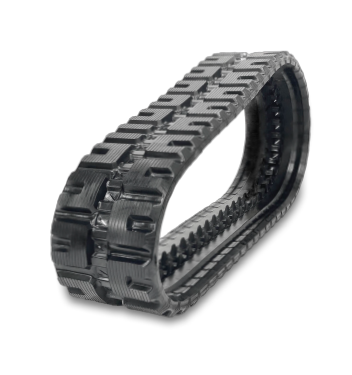
When working in sandy conditions, maintaining adequate traction can be difficult, particularly on slopes. We recommend opting for wide, high flotation CTL and excavator tracks. These wider options distribute weight more evenly, reducing ground pressure and lowering the risk of sinking into soft, sandy terrain.
Pick suitable skid steer tires
For non-tracked equipment like skid steers, both solid and air filled tires can provide sufficient grip in sandy soil. Look for skid steer tires with deep tread patterns, as these will offer the necessary traction to maneuver effectively on loose surfaces such as sand, gravel, and similar types of ground.
Exercise caution while digging
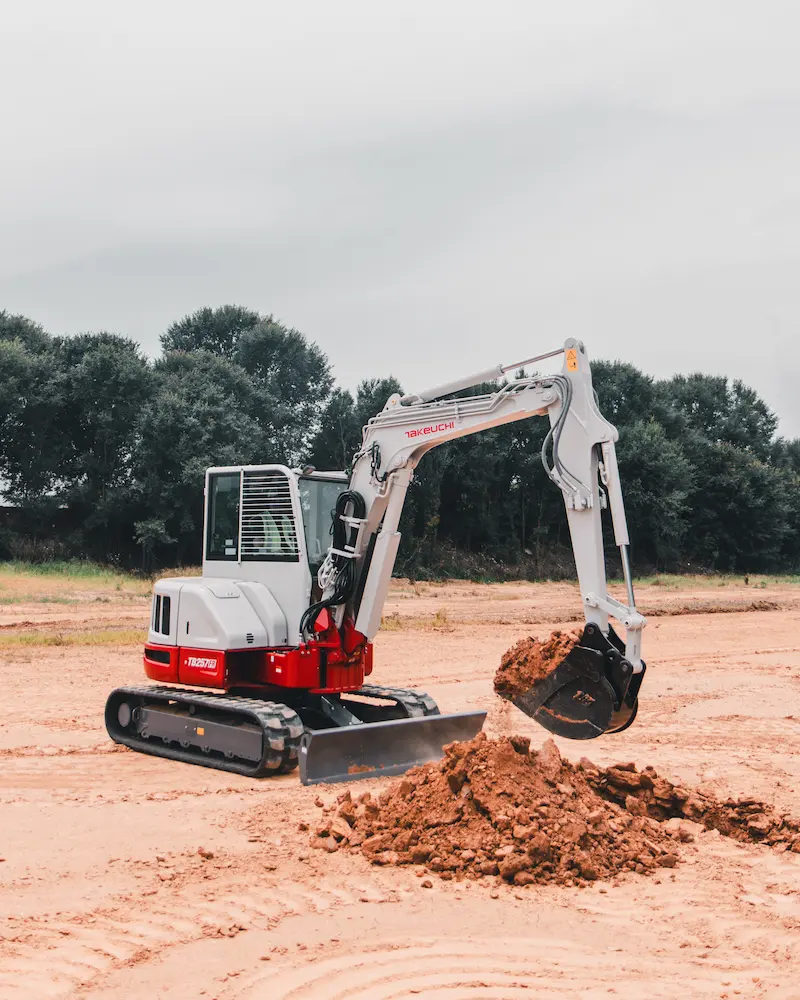
When excavating sandy soil, it’s crucial for operators to prioritize accuracy, restraint, and gentleness. Loose soils are easily disturbed, and cave ins are more likely to occur than when working in denser soil types. By proceeding slowly and steadily removing material in smaller amounts, you’ll enhance stability, minimize the risk of dangerous and time consuming collapses, and improve overall project productivity.
Utilize the right bucket
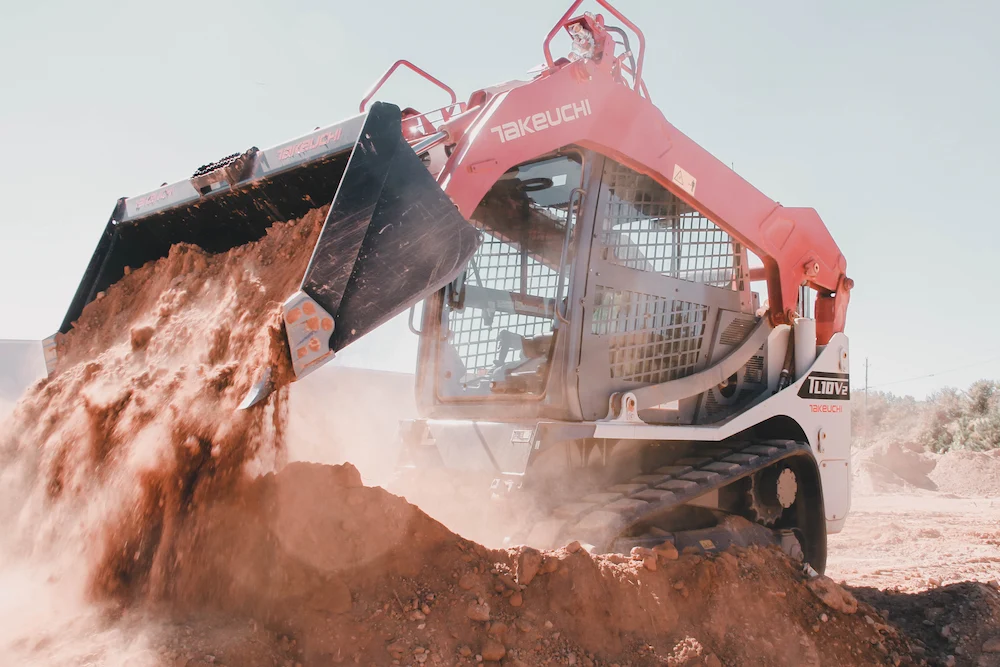
Selecting the right excavator bucket or skid steer bucket is vital for successfully completing any digging or loading task. For loose, sandy soils, choosing a general purpose excavator bucket or skid steer bucket with wide teeth and curved edges is typically the best choice. These designs help minimize soil disturbance while still allowing for efficient digging and the movement of large material volumes.
Maintain clean tracks
Sandy soil often causes abrasion between components, accelerating wear on CTL and excavator tracks. Throughout the workday, use a shovel to clear the undercarriage and a pressure washer to remove sand and dirt from hard to reach areas.
Apply ample lubrication
Due to its abrasive nature, sand can be particularly harsh on your undercarriage, bucket, bushings, and pins. When digging in sand, we advise ensuring that all these components are well greased, lubricating them several times throughout the day or approximately every five hours. This practice helps keep sand away from sensitive parts, and any accumulated sand will be expelled when new grease is applied.
Implement proper trench protection
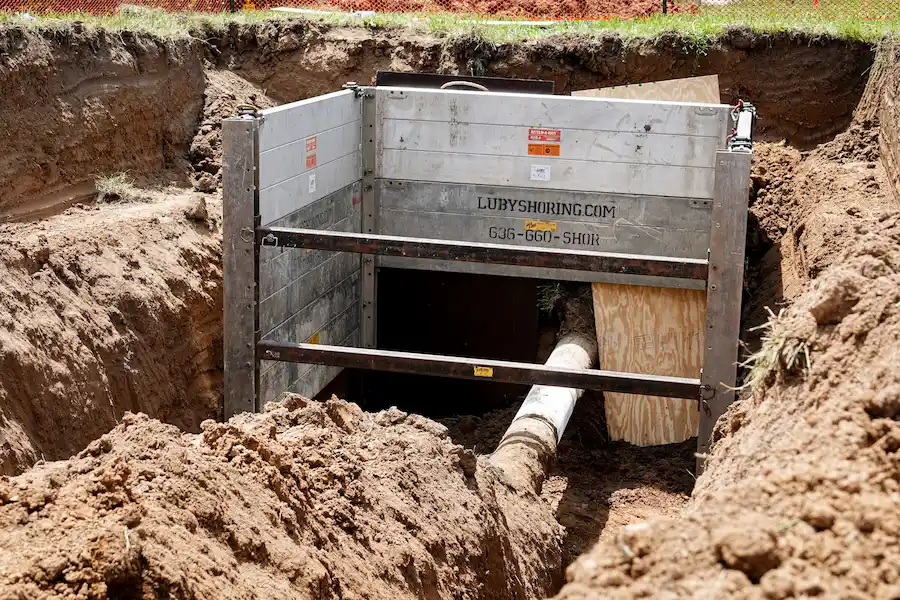
Installing trench protection is particularly important when digging in sand. Sloping and benching techniques, which involve angling the trench wall and creating steps, are generally less effective in sand due to its loose nature and poor particle cohesion. Instead, we suggest using shoring and trench shields. These systems employ metal supports to reinforce trench walls and prevent cave ins during excavation work.
Perform soil testing
Soil tests are critical for jobsite and structural safety, especially when dealing with sandy soil. These assessments help on-site experts determine the appropriate benching, shoring, and sloping methods. Understanding your soil’s physical and chemical composition also allows you to assess its weight bearing capacity for excavation and construction, as well as determine the necessary compaction levels.
Contact Us Today
If you’re interested in learning more about working on sandy soil or exploring options for your business, don’t hesitate to contact us at Luby Equipment. We’re here to help you find the right equipment to meet your needs and boost your productivity.